
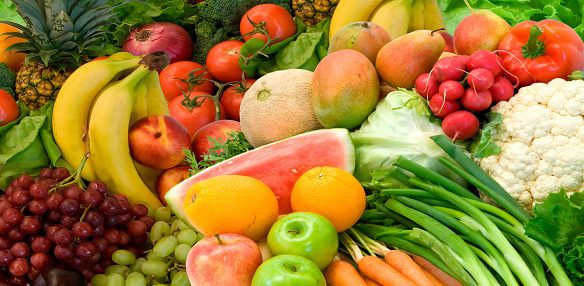
40 percent of all fertility problems are experienced by men. Factors like age or certain health issues can hinder and delay a man’s fertility. A balanced diet plays an important role not only in helping one achieve overall health, but also in boosting fertility. Studies have shown a direct relationship between poor eating habits and poor sperm quality and low sperm count. Men who eat fewer fruits and vegetables are more likely to suffer from these problems. Men should add the following fertility foods to their diet to increase their odds of conceiving a baby.
 Bananas
Bananas are a super sex food, since they are rich in Vitamins A, C, and B1, as well as magnesium and protein. These nutrients are all required to improve and stimulate the production of sperm. This fruit is also laden with Vitamin B and bromelain, which are also powerful sexual hormone regulators that enhance sexual potency. Bananas can be consumed in the form of banana shakes or smoothies. To enjoy these benefits, bananas should be consumed daily.
 Tomatoes
Many men who struggle with infertility have low levels of lycopene. Carotenoid lycopene increases sperm count and motility, and tomatoes are a rich source of this antioxidant. Consuming lycopene-rich foods also helps ensure healthy sperm, so tomatoes are a must-have in the diet. Besides tomatoes, watermelons, pink grapefruits, tomato juice, tomato sauce and ketchup are also good sources of lycopene.
 Garlic
Garlic contains Vitamin B6 and selenium in significant quantities and is a great libido booster. Vitamin B6 helps fortify the immune system and regulate hormones while selenium is an antioxidant that prevents sperm damage and boosts sexual virility. An excellent source of allicin, garlic enhances blood flow to the sexual organs and thus enables perfect erections.

Apples
Apples are believed to be a balanced fruit with a good mix of all nutrients. An apple consumed in vinaigrette form i.e. fruit cider vinegar, can do wonders. Daily consumption of this wonder fruit increases sperm count naturally.
 Cashew Nuts
Cashew nuts are a rich source of zinc, which is an essential mineral that is required for a robust body as well as to boost fertility in both men and women. Some studies have shown that even a short term deficiency of zinc can affect testosterone levels and decrease sperm volume. Cashew nuts are also believed to increase testosterone levels. Thus, including a handful of cashew nuts in one’s daily diet can prove to be very beneficial.
 Pomegranates
Pomegranate juice helps increase sperm count and makes sperm healthier. It also decreases blood levels of malondialdehyde, which adversely affects sperm production and causes erectile dysfunction. Drinking pomegranate juice has multiple health benefits – it helps reduce abnormal sperm, manage erectile dysfunction and enhance sperm motility and sperm concentration.
 Avocados
Containing a healthy dose of Vitamin E, avocados boost sperm motility. The Vitamin E present in avocados helps sperms to infiltrate eggs. Avocados are also high in folic acid and Vitamin B6. These help regulate sexual hormonal functions and consecutively optimise sexual health. The best way to include avocados in one’s diet is to add a few slices of it to a salad or a sandwich. It can also be eaten along with other fruits and veggies.
 Asparagus
Widely used in medieval times to treat infertility, asparagus is a great vegetable that is believed to raise sperm count. Asparagus contains decent amounts of Vitamin C, which helps increase sperm viability and motility. Asparagus salads are a great way to include this vegetable in one’s diet. It can also be eaten with other vegetables.
 Pumpkin Seeds
Pumpkin seeds have a high zinc content and zinc is considered to be one of the most important minerals when it comes to increasing sperm count and testosterone levels. In terms of fertility, high sperm count is a major factor. Pumpkin seeds are also packed with omega-3 fatty acids, which enhance blood flow to the sexual organs, thereby boosting sexual function. Eating at least one zinc-rich food every day is mandatory while one is trying to get his partner pregnant.
 Oysters
Oysters are also rich in zinc, which helps with the formation of the outer layer and tail of the sperm. Nutritionists opine that just 15 mg of oysters a day can help repair sperm that have been injured by chemicals present in the environment. For men who cannot afford or digest oysters, alternative sources of zinc are nuts, beans and eggs.
How Food Supports Sperm Health and Boosts Men’s Fertility?
What you eat really matters for your sperm health. The right nutrients help your body make sperm that is not make your sperm just strong, but quick and healthy, too.
- Take antioxidants, for example, healthy food shields sperm from everyday stress and pollution.
- Some vitamins and minerals help sperm develop properly for strong DNA.
- Healthy fats matter, too, because healthy fats keep sperm moving well.
- At last, protein plays an important role in enhancing hormones like testosterone, which your body needs for sperm production.
What are the Best Foods to Boost Male Fertility?
Eggs
Eggs are an important source of protein, vitamin B12, and choline, and also Eggs are great source for building healthy sperm and guarding the DNA inside as well.
Walnuts
It is one of the best sources of increasing sperm count and is loaded with omega-3s. Walnuts increase the blood flow in our body, and help sperm swim faster.
Spinach
Spinach and other leafy greens come with plenty of folic acid. Leafy and green vegetables are key to stopping sperm defects and keeping the sperm in the right shape.
Bananas
Bananas bring vitamin B6 and bromelain together, both of which help balance your hormones and start the production of sperm in a healthy way.
Tomatoes
Tomatoes are the best source of lycopene, a powerful antioxidant that supports the production of better sperm count and movement.
Fish
And for non-vegetarians, fish are the best source of Omega-3, especially Salmon, and other fatty fish. Eat more, and you will see the quality and quantity increase.
Pumpkin
Pumpkin seeds play a vital role in boosting your fertility and are full of zinc, probably the most important mineral for making testosterone and healthy sperm.
Oranges
Citrus fruits like oranges and lemons provide vitamin C, which helps to decrease sperm damage and help to enhance the production of sperm.
Chocolate
Dark chocolate, when eaten in small amounts, gives you L-arginine, a nutrient that helps the body to produce more sperm and improve sperm quality, and it is one of the simplest and tastiest ways to improve male fertility.
What are the Foods and Habits to Avoid for Better Fertility?
Eating the right foods only tells half the story. What you avoid matters just as much as what you add to your plate, and for a lot of men this is the part that actually makes the bigger difference over a few months.
Alcohol
Drinking regularly, even in what feels like normal social amounts, can lower testosterone and reduce sperm count over time. Heavy drinking has also been linked to poor sperm shape and movement. Cutting back or avoiding alcohol for a few months before trying to conceive can make a real difference.
Smoking and tobacco
Smoking is one of the clearest and most well-proven factors that damages sperm quality. It lowers sperm count, slows down sperm movement, and increases the number of abnormally shaped sperm. It also raises the level of harmful oxidative stress in the body, which directly affects sperm health. Quitting is one of the single most useful things a man can do for his fertility.
Processed and red meat
Regularly eating processed meats like sausages, bacon, and salami has been linked to lower sperm quality in several studies. Red meat cooked at very high temperatures can also create harmful compounds. Choosing lean cuts, fish, or plant-based protein more often is a simple swap that helps.
Excessive Sugar and Carbs
Avoid excessive sugary drinks, white bread, and packaged snacks; such foods can lead to weight gain, consuming both kinds of food to lower testosterone and poorer sperm quality.
Trans fats and fried food
Trans fats found in fried and packaged foods have been shown to reduce sperm concentration. These fats are common in fast food, bakery items, and many packaged snacks.
High mercury fish
Fish is generally good for fertility because of the healthy fats in fish, but large fish like swordfish, king mackerel, and shark carry high mercury levels, which can be harmful. Sticking to smaller fish like sardines or salmon gives the benefit without the risk.
Excess caffeine
A cup or two of coffee a day is generally fine, but very high caffeine intake, especially from energy drinks, has been linked to lower sperm count in some studies. Keeping caffeine moderate is the safer approach.
Soy in very large amounts
Soy contains plant compounds that can mildly affect hormone levels when eaten in very large quantities. Normal amounts, like the occasional serving of tofu or soy milk, are not a concern, but relying on soy as a main protein source every day is worth avoiding during this period.
Heat exposure
This is not a food, but it belongs here because it matters just as much. Frequent hot baths, saunas, and even keeping a laptop directly on the lap for long hours can raise the temperature around the testicles and lower sperm production. Tight underwear for long periods can have a similar effect. Keeping things cool and giving the body some airflow genuinely helps.
Stress and lack of sleep
Chronic stress and poor sleep affect hormone levels in ways that can quietly lower fertility over time. This is often overlooked because it does not feel like a diet issue, but it plays a real role alongside everything eaten or avoided.
Frequently Asked Questions
It usually takes a couple of months, about 2 to 3, to notice real improvement because sperm needs around 70 to 90 days to fully mature in your body.
Can diet really affect male fertility?
Yes, diet matters a lot when you eat healthy, which will help to increase the sperm count, movement, and overall quality. Junk food and bad habits like mocking and drinking make things tough.
Does lifestyle affect male fertility?
Yes, lifestyle affects male infertility a lot. Regular exercise, good sleep and keeping your stress levels low. And also quitting alcohol and smoking can really make a difference for your sperm health and fertility.
Can stress reduce sperm count?
Yes, stress definitely affects your hormones and slows down sperm production. If you learn to manage stress, you will see an improvement in your fertility
Can alcohol and smoking affect sperm quality?
Alcohol and smoking are not just bad for your general health, but they can actually damage sperm DNA, decrease your sperm count, and lower your fertility for a long time.

Devender Gill is an experienced medical blogger & writer on the healthcare researcher with a strong focus on numerous treatments based on the official info from clinics aross network. He Specializes in creating accurate, easy-to-understand medical content covering, medical topics, for instance, IVF, Surrogacy, IUI, ICSI, and other essential ones.
Table of Contents

 WhatsApp us